
Optimal Timing for Water Treatments
Water treatments are essential for maintaining water quality and ensuring safe, clean water for various uses. Proper timing of treatments can optimize effectiveness and reduce costs. Seasonal changes, water usage patterns, and water source conditions influence the ideal timing for treatments.
Spring is often recommended for water treatments due to increased water flow and potential for pollutant runoff. Treating water during this season helps prevent contamination as water sources replenish.
Summer months may require more frequent treatments due to higher water temperatures and increased usage. Proper timing ensures water remains safe during peak demand.
Fall is suitable for pre-winter treatments to prevent issues related to algae growth and sediment buildup before colder months.
Winter treatments focus on preventing freezing and addressing any residual contaminants. Timing treatments before cold spells can protect infrastructure.
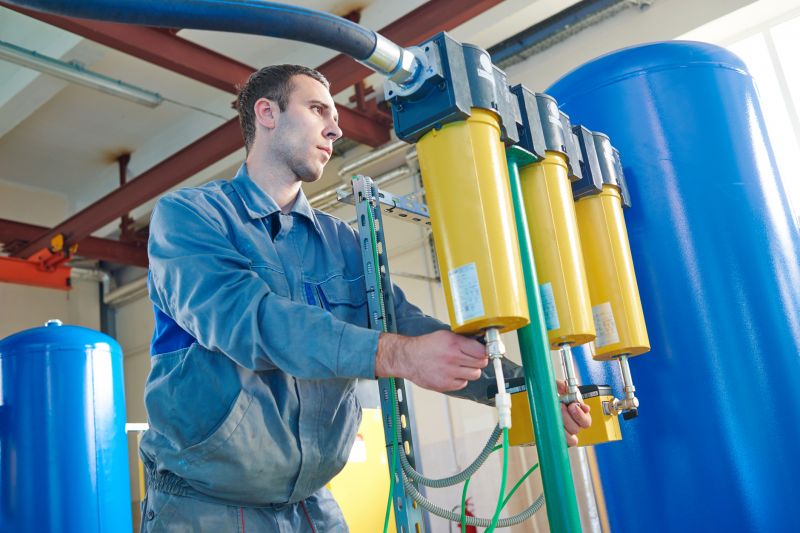
Ways to make Water Treatments work in tight or awkward layouts.
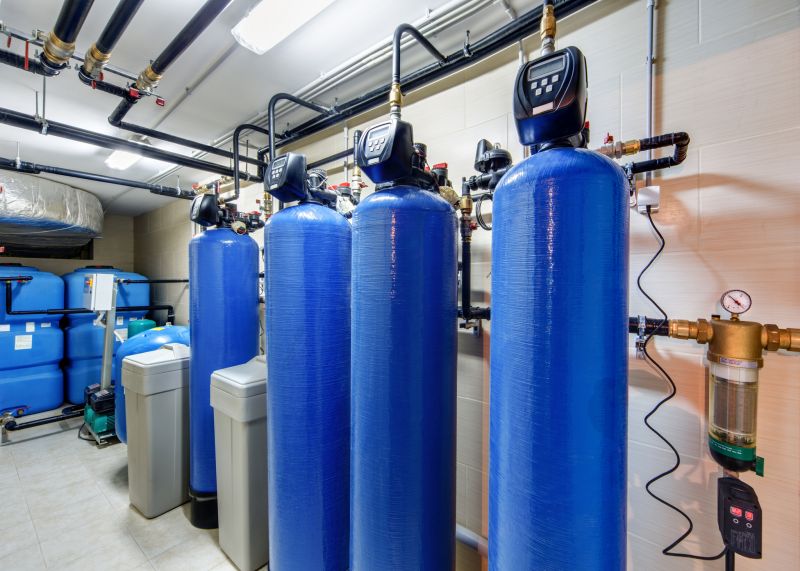
Popular materials for Water Treatments and why they hold up over time.
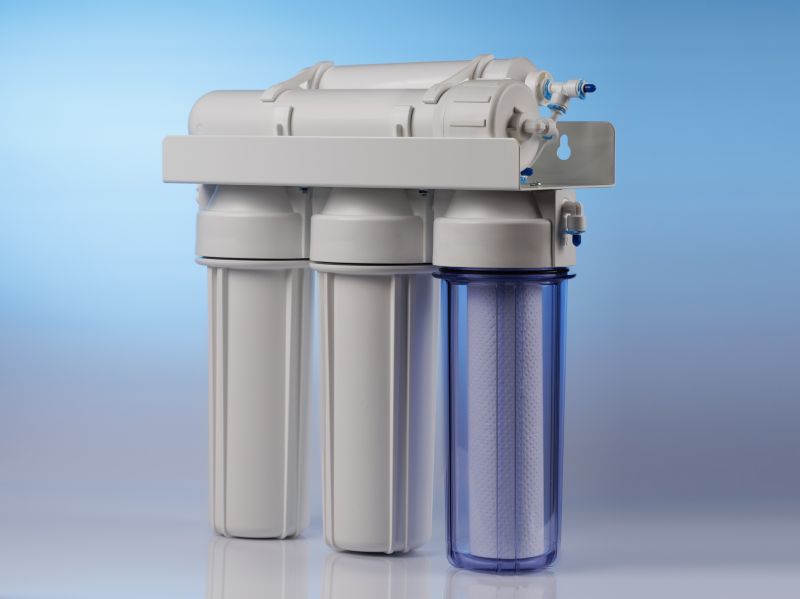
Simple add-ons that improve Water Treatments without blowing the budget.
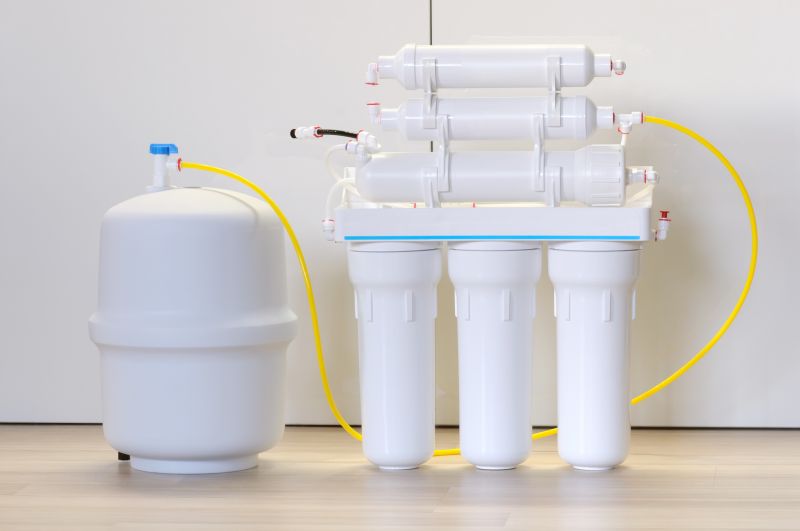
High-end options that actually feel worth it for Water Treatments.

Finishes and colors that play nicely with Water Treatments.
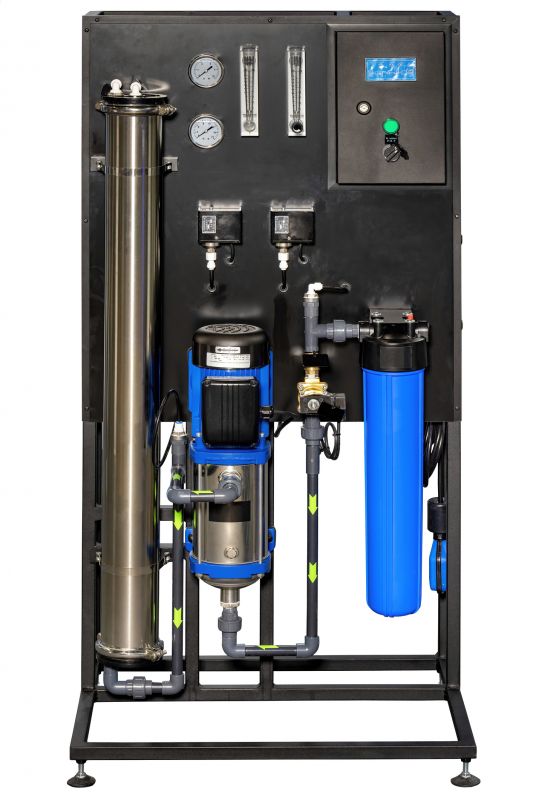
Little measurements that prevent headaches on Water Treatments day.
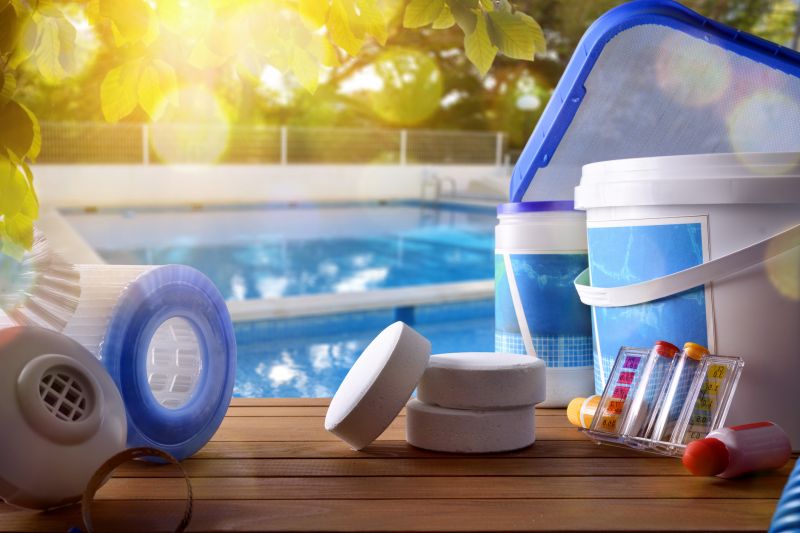
A 60-second routine that keeps Water Treatments looking new.

A frequent mistake in Water Treatments and how to dodge it.
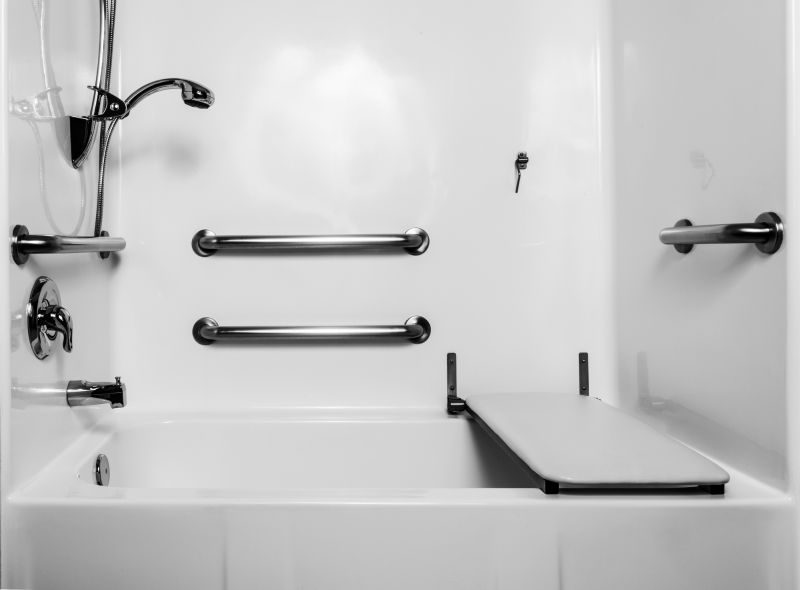
Small tweaks to make Water Treatments safer and easier to use.
| Season | Recommended Treatment Activities |
|---|---|
| Spring | Prevents algae growth, addresses sediment buildup, and replenishes treatment systems. |
| Summer | Maintains disinfection levels, controls algae, and manages increased usage. |
| Fall | Pre-winter treatments to prevent freezing issues and sediment accumulation. |
| Winter | Addresses residual contaminants, prevents freezing damage, and ensures water safety. |
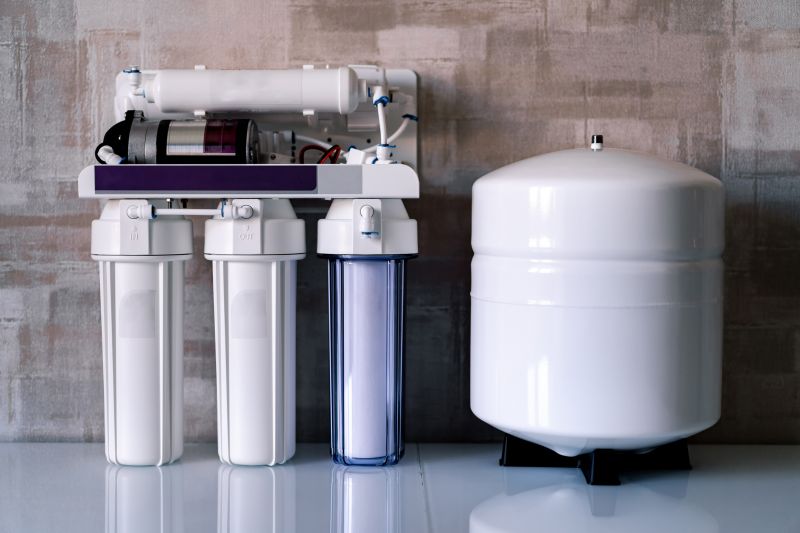
Lower-waste or water-saving choices for Water Treatments.
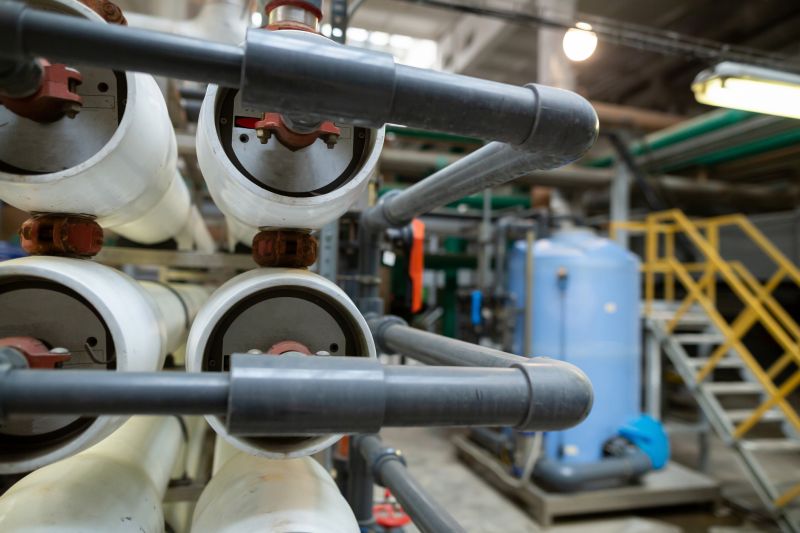
The short, realistic tool list for quality Water Treatments.
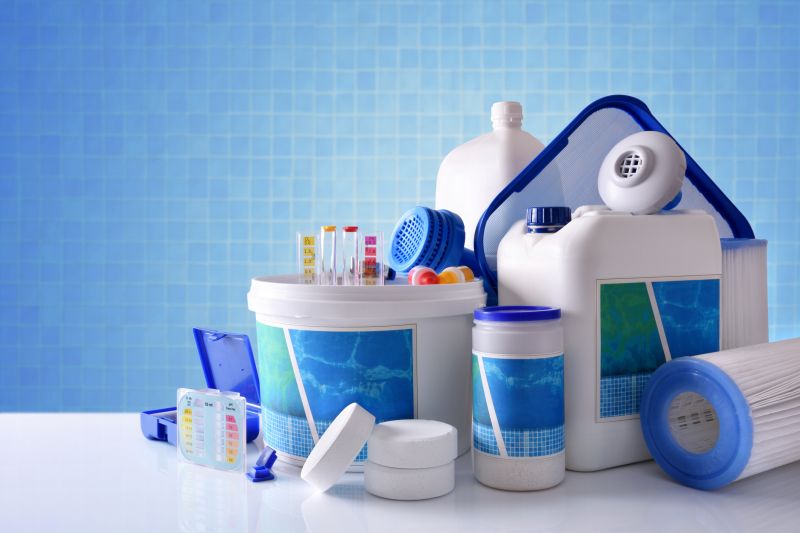
Rough timing from prep to clean-up for Water Treatments.
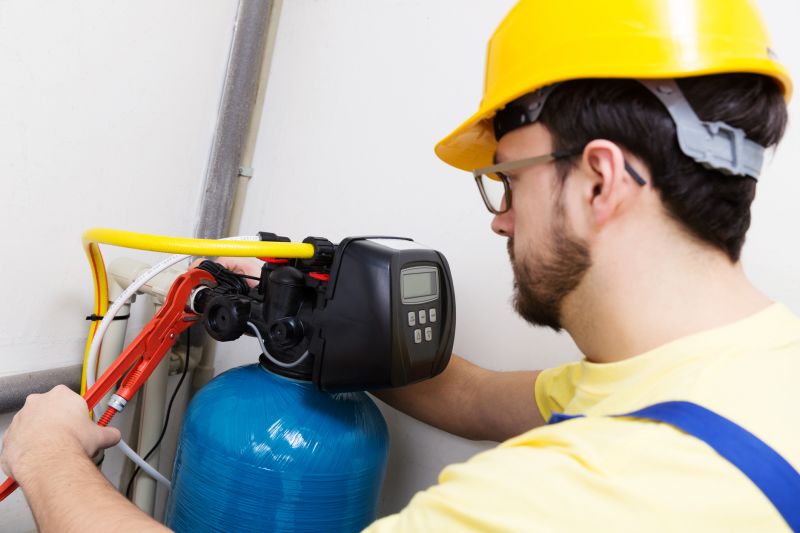
Quick checks and paperwork to keep after Water Treatments.
Proper timing and execution of water treatments are vital for maintaining water safety and quality. Regular assessments and adherence to recommended schedules ensure effective control of contaminants and support public health.
Interested in scheduling water treatments? Filling out the contact form provides an opportunity to discuss options tailored to specific water sources and needs. Proper timing and treatment methods contribute to consistent water quality and safety.